Climate Change Impact on Nepal Trekking Routes
February 05, 2026 | admin
Discover how climate change is impacting Nepal trekking routes in 2026 and shifting trekking seasons, weather patterns, and trail safety in the Himalayas.
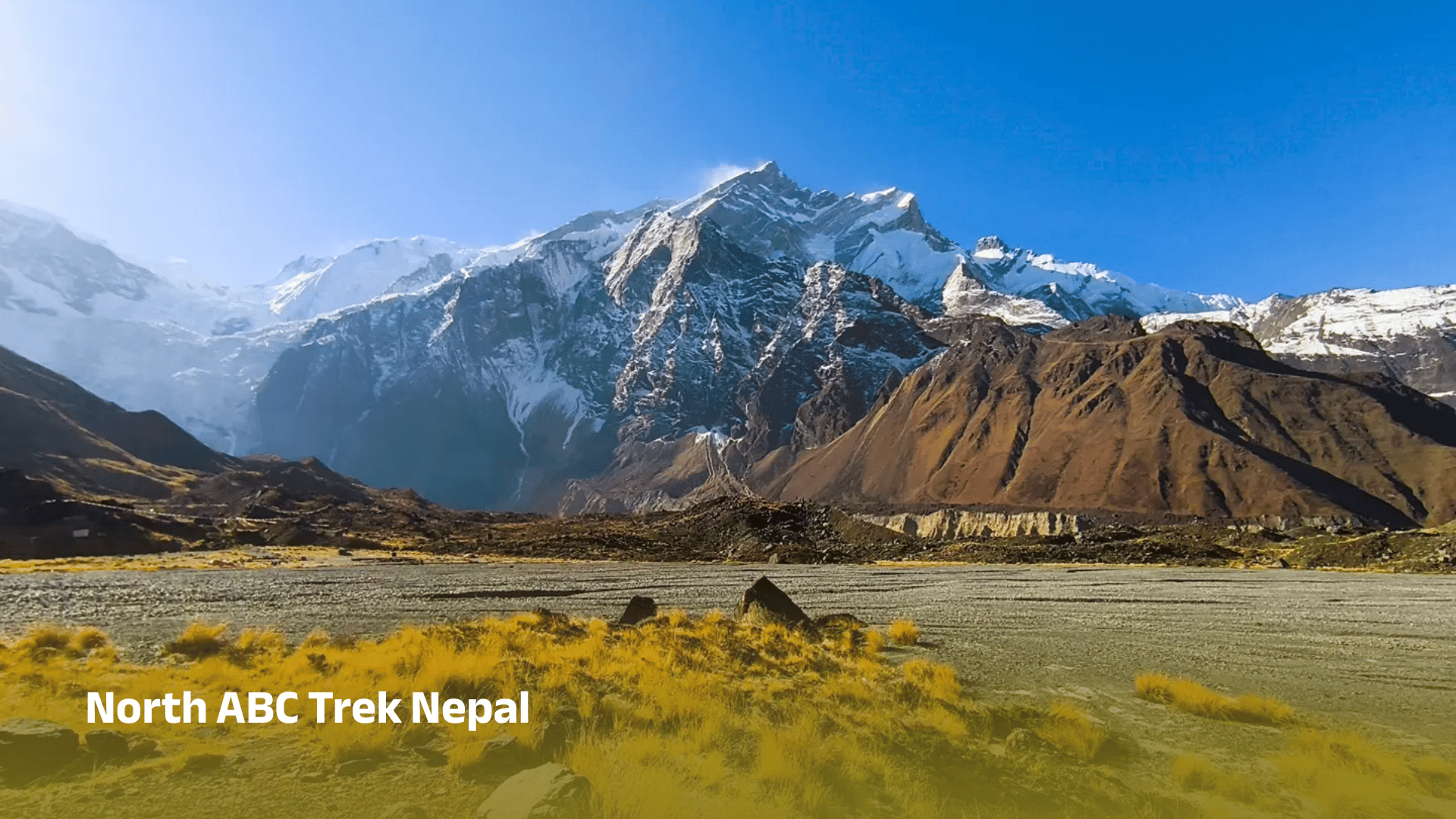
Nepal’s trekking trails have always been shaped by nature. Towering peaks, deep valleys, roaring rivers, and unpredictable weather define the Himalayan experience. But as we move into 2026, climate change is no longer a distant concern it’s actively reshaping Nepal’s trekking routes, seasons, and overall adventure landscape.
What once followed a predictable rhythm now feels increasingly uncertain.
The Changing Climate Reality in the Himalayas
The Himalayas are warming faster than the global average. Rising temperatures, irregular snowfall, accelerated glacier melt, and extreme weather events are transforming the trekking environment at an alarming pace.
For trekkers, this means more than just warmer days. It means unstable trails, altered landscapes, and shifting seasons that demand adaptation from travelers and trekking operators alike.
Climate change is no longer an abstract concept here; it’s visible on every route.

Impact of Climate Change on Nepal Trekking Routes
1. Increased Landslides and Trail Damage
Heavier and more erratic rainfall has increased landslides across popular trekking corridors. Trails in regions like Annapurna, Langtang, and Manaslu are experiencing frequent blockages, erosion, and rerouting.
Some paths that were once safe and well-established now require constant maintenance or complete redesign.
2. Glacier Retreat and River Instability
Glaciers are shrinking rapidly, altering river flow patterns. Suspension bridges that once stood safely above stable rivers now face stronger currents and flood risks, especially during warmer months.
In some high-altitude treks, traditional water sources are drying up, while others become dangerously unpredictable.
3. High-Altitude Risks Are Increasing
As snowlines rise, exposed terrain expands. This leads to:
- More rockfall zones
- Reduced snow stability
- Higher risk of avalanches caused by freeze–thaw cycles
For trekkers, acclimatization and route planning have become more critical than ever.
How Climate Change Is Shifting Trekking Seasons in Nepal
Traditional Trekking Seasons Are No Longer Fixed
For decades, Nepal’s trekking calendar was simple:
- Spring (March–May)
- Autumn (September–November)
Now, climate change has blurred these boundaries.
Spring is arriving earlier. Autumn monsoons linger longer. Winter trekking, once avoided, is becoming more viable in some regions due to milder temperatures.
Shoulder Seasons Are Gaining Popularity
Trekkers in 2026 are increasingly choosing:
- Late February
- Early June
- Early December
Why? Fewer crowds, tolerable weather, and lower costs if planned carefully.
However, these seasons demand flexibility. Sudden snowfall or unexpected rainstorms can still disrupt itineraries.
Monsoon Trekking: Risky but Rising
Climate change has intensified monsoon patterns, making traditional summer trekking more dangerous in many regions. Yet rain-shadow areas like Upper Mustang and Dolpo are seeing increased interest, as they remain relatively dry.
This shift is redefining what “off-season” really means in Nepal.
What This Means for Trekkers in 2026
Trekking in Nepal is no longer about following a fixed calendar it’s about real-time planning and adaptability.
Trekkers must:
- Monitor weather forecasts closely
- Choose experienced local guides
- Stay flexible with itineraries
- Prepare for sudden changes in trail conditions
Those who adapt will still experience unforgettable journeys just in a different rhythm than before.
How Trekking Agencies Are Adapting
Forward-thinking trekking companies are:
- Redesigning routes to avoid high-risk zones
- Offering flexible departure windows
- Providing updated climate briefings
- Investing in safety training and local monitoring
In 2026, responsible trekking is as much about environmental awareness as physical endurance.
The Future of Trekking in Nepal
Climate change is rewriting Nepal’s trekking story but not ending it.
The Himalayas remain majestic. The trails still inspire. The adventure still calls.
What’s changing is how, when, and where people trek.
Trekkers who understand these shifts and respect the evolving mountain environment will continue to find Nepal one of the most rewarding trekking destinations on Earth.
Final Thought
Nepal’s trekking routes are evolving, shaped by a warming climate and shifting seasons. In 2026, the best trekkers won’t just be strong they’ll be informed, flexible, and conscious of the fragile Himalayan ecosystem.
FAQs
How is climate change affecting trekking routes in Nepal?
Climate change is causing landslides, glacier retreat, unstable trails, and unpredictable weather patterns across major trekking regions.
Are traditional trekking seasons still reliable in Nepal?
No, spring and autumn seasons are becoming less predictable due to shifting rainfall and temperature patterns.
Is trekking in Nepal more dangerous now than before?
Risks have increased in some areas, but with proper planning, guides, and flexibility, trekking remains safe.
Which regions are most affected by climate change?
Annapurna, Langtang, Manaslu, and high-glacier areas are among the most impacted.
Is winter trekking becoming more popular in Nepal?
Yes, milder winters are making some lower and mid-altitude treks more accessible.
Can I trek in Nepal during monsoon season?
Yes, especially in rain-shadow regions like Upper Mustang and Dolpo.
Do I need to be more flexible with itineraries in 2026?
Absolutely. Weather-related delays and route changes are increasingly common.
How are trekking agencies responding to climate change?
They are redesigning routes, improving safety training, and offering flexible schedules.
Are glaciers disappearing on popular treks?
Yes, many glaciers are retreating rapidly, altering landscapes and water sources.
Does climate change affect altitude sickness risk?
Indirectly, yes route changes and weather stress can impact acclimatization.
Is Nepal still worth trekking despite climate change?
Yes. Nepal remains one of the world’s greatest trekking destinations when approached responsibly.
What is the most important advice for trekkers in 2026?
Stay informed, stay flexible, and respect the fragile Himalayan environment.