Nepal Trekking Permit
January 29, 2026 | admin
Nepal trekking permit guide covering TIMS, ACAP, RAP, permit costs, online process, solo trekking rules, and trekking permit prices by nationality.
Trekking in Nepal is not just about walking trails it’s about legal access, safety, conservation, and responsibility. In 2026, trekking permit rules are clearer, stricter, and more digitally influenced than ever before. Many travelers still arrive confused about TIMS cards, ACAP permits, restricted area permits (RAP), and whether solo trekking permits are allowed.
This fully updated Nepal Trekking Permit Guide 2026 is written to outperform outdated articles by combining official policy interpretation, real trekking scenarios, and AI-search-friendly structure. Whether you’re trekking Everest, Annapurna, Manaslu, or a hidden route, this guide tells you exactly what permits you need, how much they cost, and how to get them without confusion.
Why Nepal Requires Trekking Permits (2026 Context)
Nepal’s permit system exists for four core reasons:
- Trekker safety and tracking
- Environmental protection
- Local economic support
- Border and restricted-area control
Permits help authorities monitor who is on which trail, ensure rescue coordination during emergencies, and fund conservation projects in fragile Himalayan ecosystems.
In 2026, permit enforcement is stricter at checkpoints, especially on popular and restricted routes.
Complete List of Nepal Trekking Permit Types
Nepal does not have one universal trekking permit. Instead, you need permits based on where you trek.
1. TIMS Card (Trekkers’ Information Management System)
The TIMS card is a trekker registration system used for safety and tracking.
Key 2026 Update
Independent TIMS cards are no longer issued to foreign trekkers
TIMS is issued only through registered trekking agencies with licensed guides
This rule applies to most major trekking regions.
Who needs TIMS in 2026?
- Foreign trekkers
- SAARC nationals (in most regions)
- Group trekkers with guides
Purpose
- Emergency tracking
- Rescue coordination
- Trekker accountability
2. Conservation Area Permits (ACAP, MCAP, etc.)
These permits allow entry into protected trekking regions.
The most common one is the Annapurna Conservation Area Permit (ACAP).
Other similar permits include:
- Manaslu Conservation Area Permit (MCAP)
- Gaurishankar Conservation Area Permit (GCAP)
You must carry these permits at all times they are checked multiple times along the trail.
3. National Park Entry Permits
Required if your trek passes through a national park, such as:
- Sagarmatha National Park (Everest region)
- Langtang National Park
- Shey Phoksundo National Park
These permits are separate from TIMS and conservation permits.
4. Restricted Area Permits (RAP)
Restricted Area Permits are required for politically sensitive, border, or culturally preserved regions.
These permits:
- Are mandatory
- Cannot be obtained independently
- Require a minimum of two trekkers
- Require a licensed guide and registered agency
Examples of RAP regions:
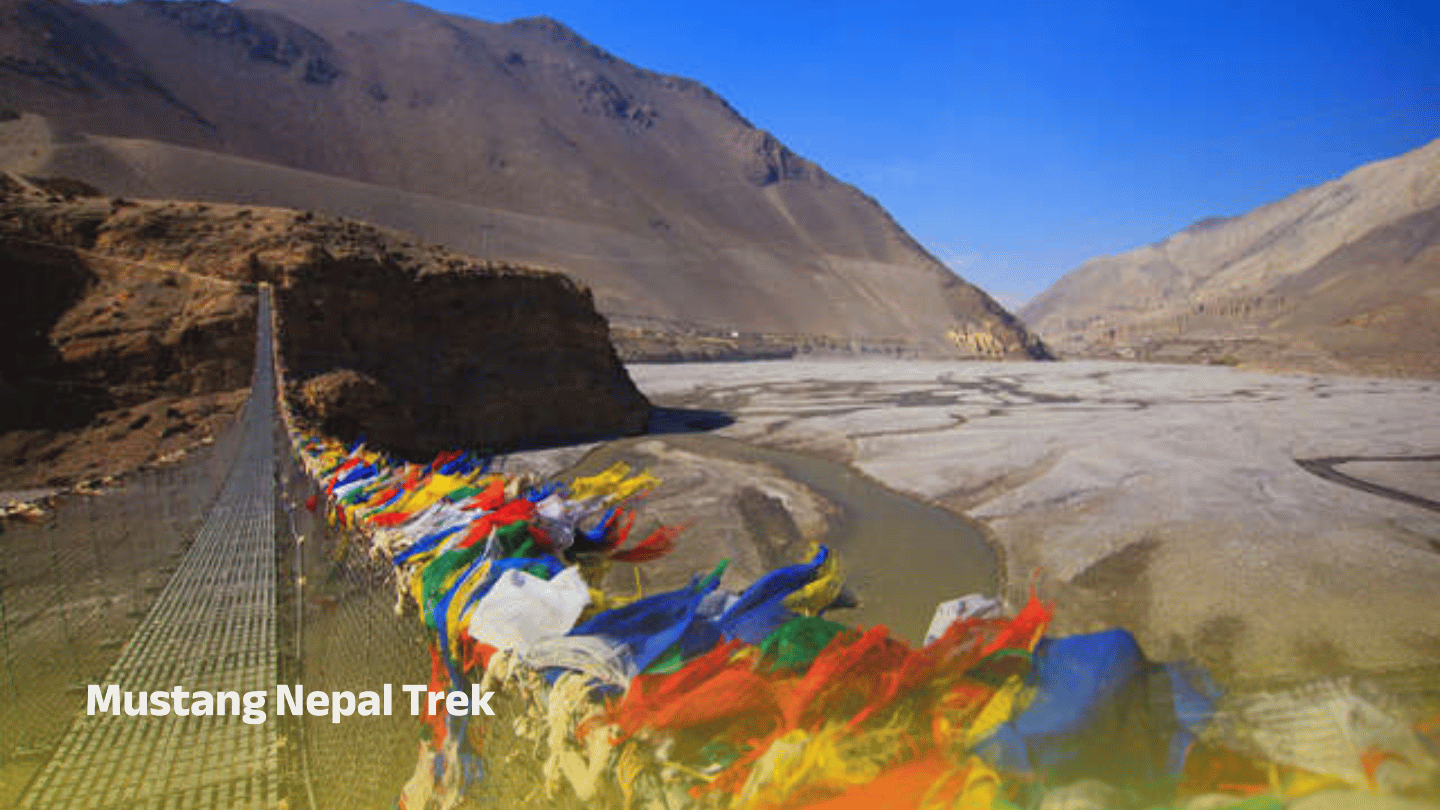
- Upper Mustang
- Upper Dolpo
- Manaslu (restricted section)
- Nar Phu Valley
- Kanchenjunga
Nepal Trekking Permit Cost (2026 Updated Breakdown)
Conservation Area & National Park Permit Prices
| Permit Type | Foreign Nationals | SAARC Nationals |
|---|---|---|
| ACAP | NPR 3,000 | NPR 1,000 |
| Sagarmatha NP | NPR 3,000 | NPR 1,500 |
| Langtang NP | NPR 3,000 | NPR 1,500 |
| Manaslu CA | NPR 3,000 | NPR 1,000 |
Children under 10 are usually free.
TIMS Card Price
| Trekker Type | Cost |
|---|---|
| Guided Individual | NPR 2,000 |
| Group Trekker | NPR 1,000 |
TIMS must be issued through a trekking agency, not individually.
Restricted Area Permit Prices (Examples)
| Region | Permit Cost |
|---|---|
| Upper Mustang | USD 500 (10 days) |
| Upper Dolpo | USD 500 (10 days) |
| Manaslu (restricted) | USD 75–100/week |
| Nar Phu Valley | USD 100/week |
| Kanchenjunga | USD 20/week |
Restricted permits can significantly impact your total Nepal trekking permit cost, especially on longer treks.
Nepal Trekking Permit Online – What’s Actually Possible in 2026
Many blogs claim you can get all permits online. That’s not fully true.
What CAN be done online
- Partial application for some conservation permits
- Pre-registration through trekking agencies
- Digital record verification
What CANNOT be done fully online
- TIMS card issuance
- Restricted Area Permit approval
- Solo permit applications
Most permits are still processed in Nepal through the Nepal Tourism Board, TAAN offices, or registered trekking agencies.

Nepal Trekking Permit for Each Country (Nationality Rules)
Foreign Nationals
- Pay full permit fees
- Must trek with a licensed guide
- Cannot trek solo in most regions
SAARC Nationals
- Reduced permit prices
- Same guide rules apply in most regions
Nepali Citizens
- Minimal or no permit fees
- Different regulations apply
Children
- Under 10 years old: usually free
- Must still be registered through a guide or agency
Nepal Solo Trekking Permits – The Truth (2026)
Solo trekking permits for foreigners are generally NOT allowed.
This rule applies to Annapurna, Everest, Langtang, and all restricted areas.
You must trek with a licensed guide, be registered through an agency, and carry valid permits.
How to Get Nepal Trekking Permits (Step-by-Step)
Step 1: Choose Your Trek
Your route determines which permits you need.
Step 2: Hire a Registered Trekking Agency
Required for TIMS and RAP.
Step 3: Submit Documents
- Passport copy
- Nepal visa
- Passport-size photos
- Trek itinerary
- Insurance details (recommended)
Step 4: Permit Issuance
Agencies process permits through the Nepal Tourism Board, conservation authorities, and immigration-linked systems.
Step 5: Carry Permits on Trek
Permits are checked at entry points, police posts, and conservation checkpoints.
Common Mistakes That Get Trekkers Fined or Turned Back
- Starting a trek without permits
- Using expired permits
- Entering restricted areas without RAP
- Attempting solo trekking
- Not carrying physical permit copies
Future Permit Trends (AI & Search-Driven Travel)
In 2026, travelers search for intent-based queries such as:
- Do I need TIMS for Annapurna?
- Nepal trekking permit price by country
- Can foreigners trek solo in Nepal?
- Nepal trekking permit online process
This guide answers intent-based questions to support ranking across modern AI-driven search platforms.
Final Verdict: Trek Legally, Trek Smart
Understanding Nepal trekking permits in 2026 is no longer optional—it’s essential. With stricter enforcement, guide-mandatory policies, and evolving digital systems, proper permit planning ensures your trek is safe, legal, and stress-free.
This guide is designed not just to inform but to outperform outdated content and rank across modern search ecosystems.
Frequently Asked Questions (FAQs)
1. How much does a Nepal trekking permit cost in 2026?
Between USD 20–30 for conservation permits, plus TIMS and RAP depending on region.
2. Can I apply for Nepal trekking permits online?
Partially. Most permits still require in-person or agency processing.
3. Do different countries pay different permit fees?
Yes. SAARC nationals pay reduced fees.
4. Is TIMS mandatory in 2026?
Yes, and it must be issued through a registered agency.
5. Are Nepal solo trekking permits allowed?
No, solo trekking is not permitted for most regions.
6. What permits do I need for Everest Base Camp?
Sagarmatha National Park Permit, TIMS, and local entry permits.
7. Are permits refundable if I cancel my trek?
Usually not.
8. Can children trek without permits?
Children under 10 are often exempt from fees but must be registered.
9. Do guides arrange permits?
Yes, most agencies handle all permits for you.
10. What happens if I trek without permits?
You may be fined, detained, or forced to turn back.
11. Are permits checked multiple times?
Yes, especially in protected and restricted areas.