Sagarmatha National Park
February 26, 2026 | admin
Complete guide to Sagarmatha National Park including permit cost, area, height, distance from Kathmandu, map, museum, and Everest region travel tips.
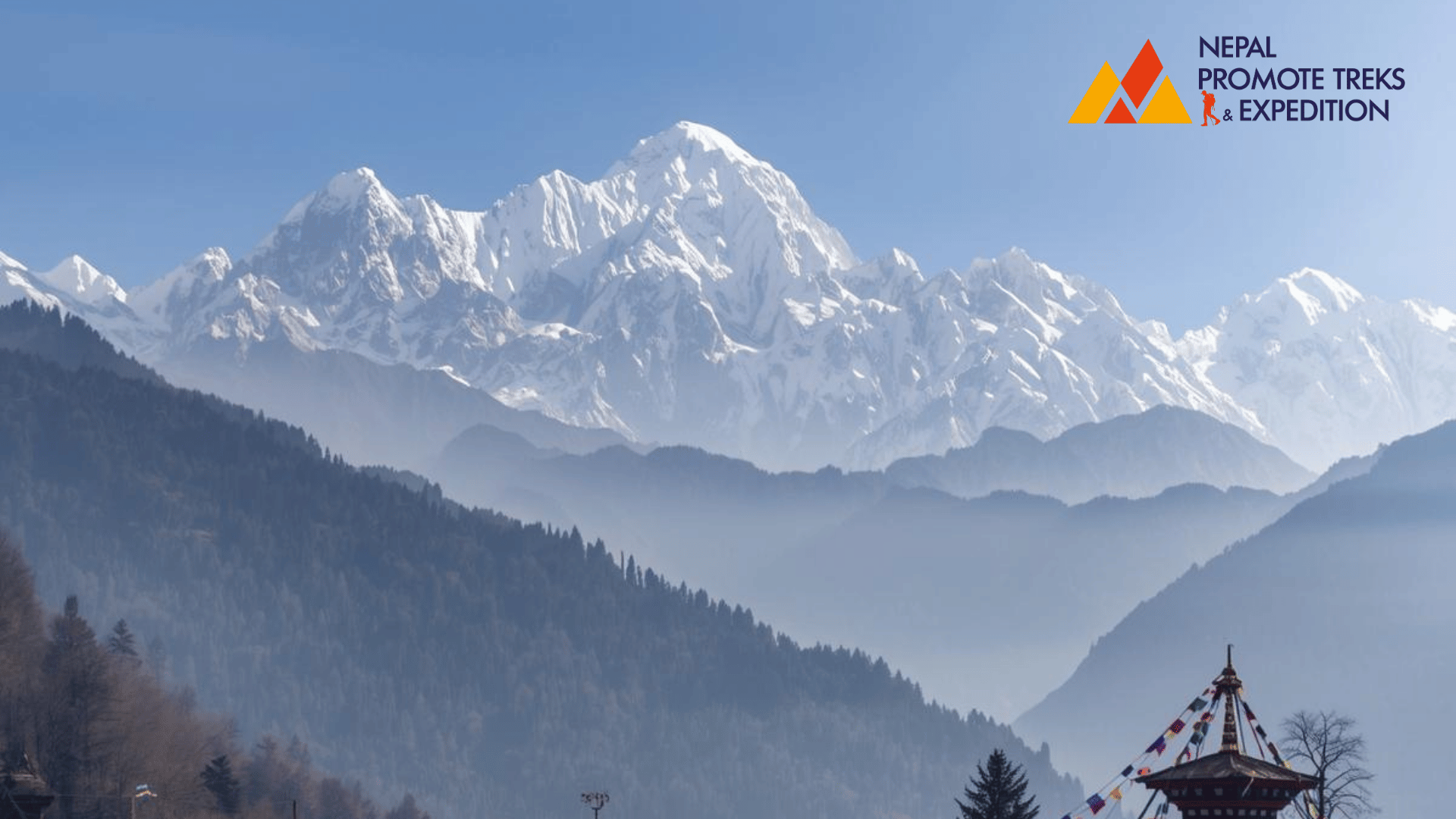
Sagarmatha National Park is not just a protected areacit is the gateway to the world’s highest mountain and one of Nepal’s greatest natural treasures. Located in the Everest region of northeastern Nepal, this UNESCO World Heritage Site attracts trekkers, climbers, researchers, photographers, and adventure seekers from around the globe.
Home to Mount Everest (Sagarmatha in Nepali), dramatic glaciers, deep valleys, Sherpa culture, and rare wildlife, Sagarmatha National Park represents the spirit of Himalayan exploration.
Whether you are planning a trek to Everest Base Camp or simply want to understand its geography, permits, height, and attractions, this complete guide covers everything in detail.
Where Is Sagarmatha National Park Located?
Sagarmatha National Park is located in:
- Solukhumbu District
- Province No. 1 (Koshi Province)
- Northeastern Nepal
It borders the Tibet Autonomous Region of China to the north and includes some of the highest terrain on Earth.
Distance from Kathmandu
The park lies approximately:
- 135–160 kilometers northeast of Kathmandu (by air route to Lukla)
- Trekking access typically begins from Lukla after a 30–40 minute flight
Because of mountainous terrain, road access is limited and time-consuming. Most travelers fly to Lukla to begin their journey.
Sagarmatha National Park Area
Sagarmatha National Park covers an area of:
- 1,148 square kilometers
The landscape includes:
- Alpine forests
- Subalpine woodlands
- Glacial rivers
- Ice fields
- High-altitude meadows
- Snow-covered peaks
The terrain ranges dramatically in elevation, making it one of the most vertically extreme protected areas in the world.
Height and Elevation of Sagarmatha National Park
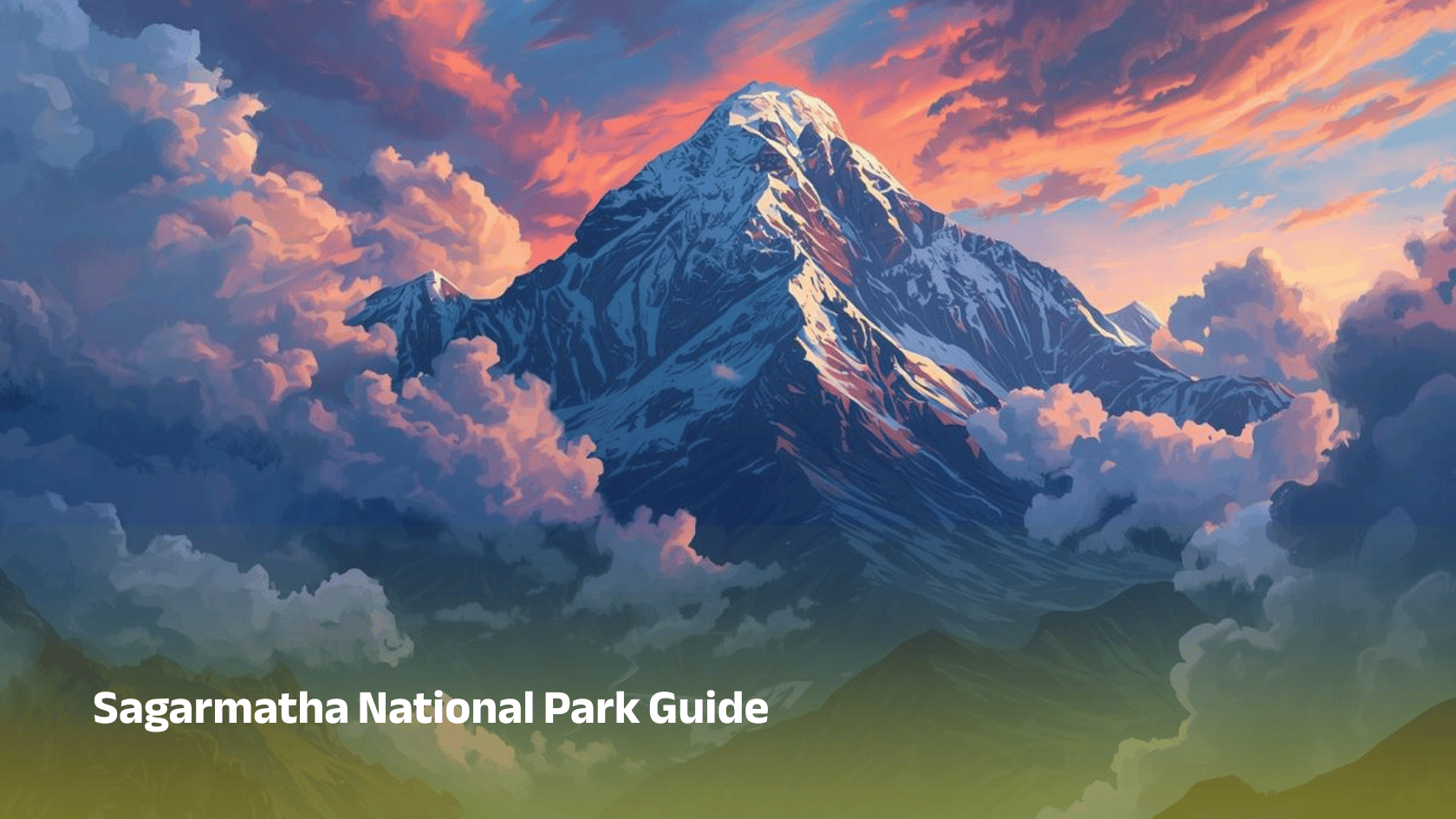
The park’s elevation varies from:
- 2,845 meters (9,334 ft) at Monjo
- 8,848.86 meters (29,031.7 ft) at Mount Everest
It includes several peaks above 6,000 meters and 7,000 meters.
Major peaks inside the park include:
- Mount Everest (Sagarmatha)
- Lhotse
- Nuptse
- Ama Dablam
- Thamserku
The extreme altitude makes acclimatization essential for trekkers.
Are Sagarmatha and Mount Everest the Same?
- “Sagarmatha” is the Nepali name for Mount Everest.
- “Sagarmatha” means “Forehead of the Sky.”
- “Chomolungma” is the Tibetan name meaning “Goddess Mother of the World.”
- “Mount Everest” is the English name.
Sagarmatha National Park is named after Mount Everest but includes a much broader ecosystem beyond the mountain itself.
Sagarmatha National Park Permit Details
1. Sagarmatha National Park Entry Permit
Cost:
- NPR 3,000 for foreign nationals
- NPR 1,500 for SAARC nationals
- NPR 100 for Nepali citizens
This can be obtained at:
- Nepal Tourism Board office in Kathmandu
- Park entry gate at Monjo
2. Khumbu Pasang Lhamu Rural Municipality Permit
Cost:
- NPR 2,000 (first 4 weeks)
This replaces the older TIMS card for Everest region trekking.
Permits are mandatory and checked at multiple points.
Sagarmatha National Park Map and Trekking Routes
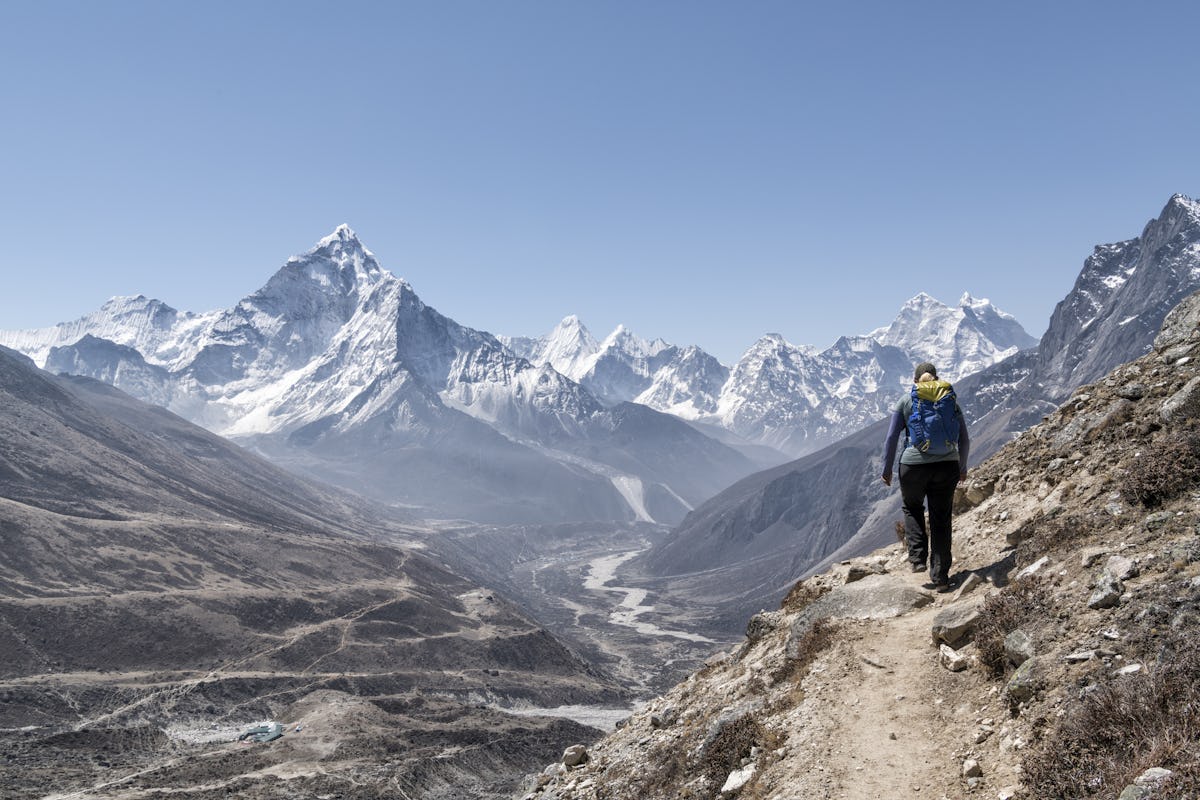
The park map highlights:
- Lukla
- Namche Bazaar
- Tengboche
- Dingboche
- Lobuche
- Gorakshep
- Everest Base Camp
Popular trekking routes include:
- Everest Base Camp Trek
- Gokyo Lakes Trek
- Three Passes Trek
- Everest Panorama Trek
Maps are available through trekking agencies or tourism offices. GPS navigation is increasingly used but traditional paper maps remain essential in remote terrain.
Sagarmatha National Park Museum
The Sagarmatha National Park Visitor Center and Museum is located in:
- Namche Bazaar
The museum features:
- Information on Sherpa culture
- History of Everest expeditions
- Flora and fauna exhibits
- Mountaineering artifacts
- Climate and conservation awareness displays
A short uphill walk from Namche offers panoramic views of Everest and surrounding peaks.
Flora and Fauna of Sagarmatha National Park
Despite extreme altitude, biodiversity thrives.
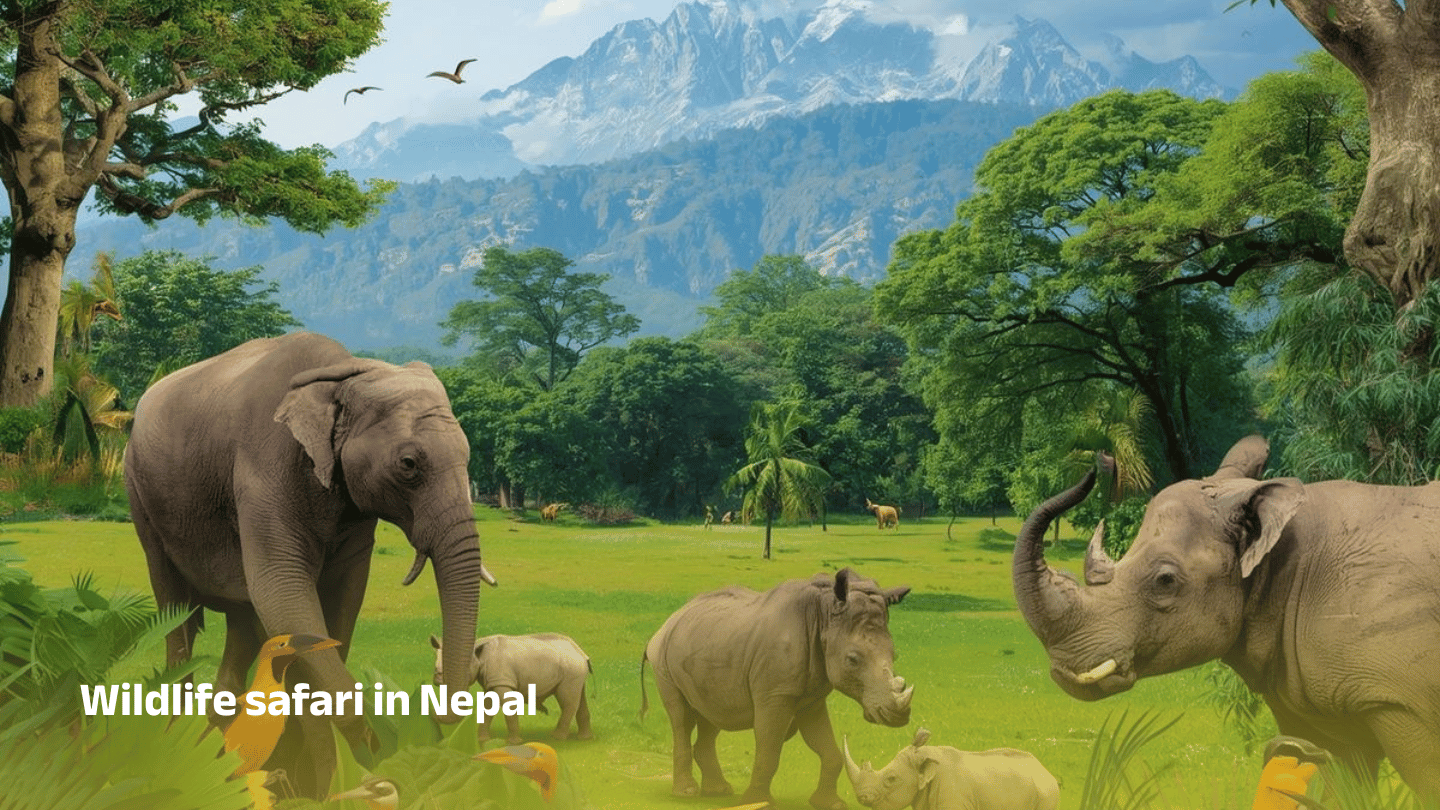
Wildlife Includes:
- Snow leopard
- Red panda
- Himalayan black bear
- Musk deer
- Himalayan tahr
- Danphe (national bird of Nepal)
Vegetation Includes:
- Rhododendron forests
- Pine forests
- Juniper shrubs
- Alpine grasses
The park is an ecological marvel.
Why Is Sagarmatha National Park Famous?
- Mount Everest
- Sherpa culture
- High-altitude trekking
- Glaciers and icefalls
- UNESCO World Heritage status (since 1979)
- Biodiversity conservation
- Adventure tourism
It represents both natural grandeur and cultural heritage.
How to Go to Sagarmatha National Park from Kathmandu
Option 1: Flight to Lukla (Most Popular)
- 30–40 minute flight
- Followed by multi-day trek
Option 2: Road + Trek
- Drive to Salleri or Phaplu
- Additional trekking days required
Flights are the fastest and most convenient option.
Best Time to Visit Sagarmatha National Park
Autumn (September–November)
- Clear skies
- Best mountain views
- Stable weather
Spring (March–May)
- Mild temperatures
- Rhododendron blooms
- Popular climbing season
Winter and monsoon treks are possible but challenging.
Safety and Altitude Considerations
Altitude sickness is a serious risk.
Precautions include:
- Gradual ascent
- Acclimatization days
- Proper hydration
- Avoiding rapid altitude gain
- Emergency evacuation insurance
Trekkers should consult medical professionals before high-altitude travel.
Sagarmatha National Park UNESCO Status
Sagarmatha National Park was designated a UNESCO World Heritage Site in 1979 due to:
- Outstanding natural beauty
- Ecological significance
- Unique mountain ecosystems
It remains one of Nepal’s most protected regions.
Conclusion
Sagarmatha National Park is more than a trekking destination. It is the embodiment of Himalayan majesty, cultural resilience, and ecological richness. From its towering peaks to its alpine forests and Sherpa heritage, every corner reflects grandeur.
For adventurers, nature lovers, and cultural explorers, Sagarmatha National Park offers an experience that transcends travel it becomes a lifetime memory.
Frequently Asked Questions (FAQs)
1. How do I go to Sagarmatha National Park from Kathmandu?
You can fly to Lukla and begin trekking, or travel by road to Salleri/Phaplu and trek from there.
2. Are Sagarmatha and Mount Everest the same?
Sagarmatha is the Nepali name for Mount Everest.
3. Where is the Sagarmatha National Park located?
It is located in Solukhumbu District in northeastern Nepal.
4. What is Sagarmatha famous for?
It is famous for Mount Everest, trekking routes, Sherpa culture, and its UNESCO World Heritage status.
5. How much is the Sagarmatha National Park permit?
Foreign nationals pay NPR 3,000 for entry.
6. What is the area of Sagarmatha National Park?
The park covers 1,148 square kilometers.
7. What is the height range of Sagarmatha National Park?
From 2,845 meters to 8,848.86 meters at Mount Everest.
8. Is Sagarmatha National Park safe for trekking?
Yes, with proper acclimatization and guided support.
9. Where is the Sagarmatha National Park Museum?
It is located in Namche Bazaar.
10. What wildlife can be found in Sagarmatha National Park?
Snow leopards, red pandas, Himalayan tahr, musk deer, and various bird species.
11. When was Sagarmatha National Park established?
It was established in 1976 and declared a UNESCO site in 1979.
12. Do I need a guide to visit Sagarmatha National Park?
While not always mandatory, hiring a licensed guide is highly recommended for safety and navigation.