Swayambhunath Temple Nepal
February 22, 2026 | admin
Discover Swayambhunath Temple Nepal, its history, location, tourist entrance fee, and why it’s called the Monkey Temple, complete travel guidance.
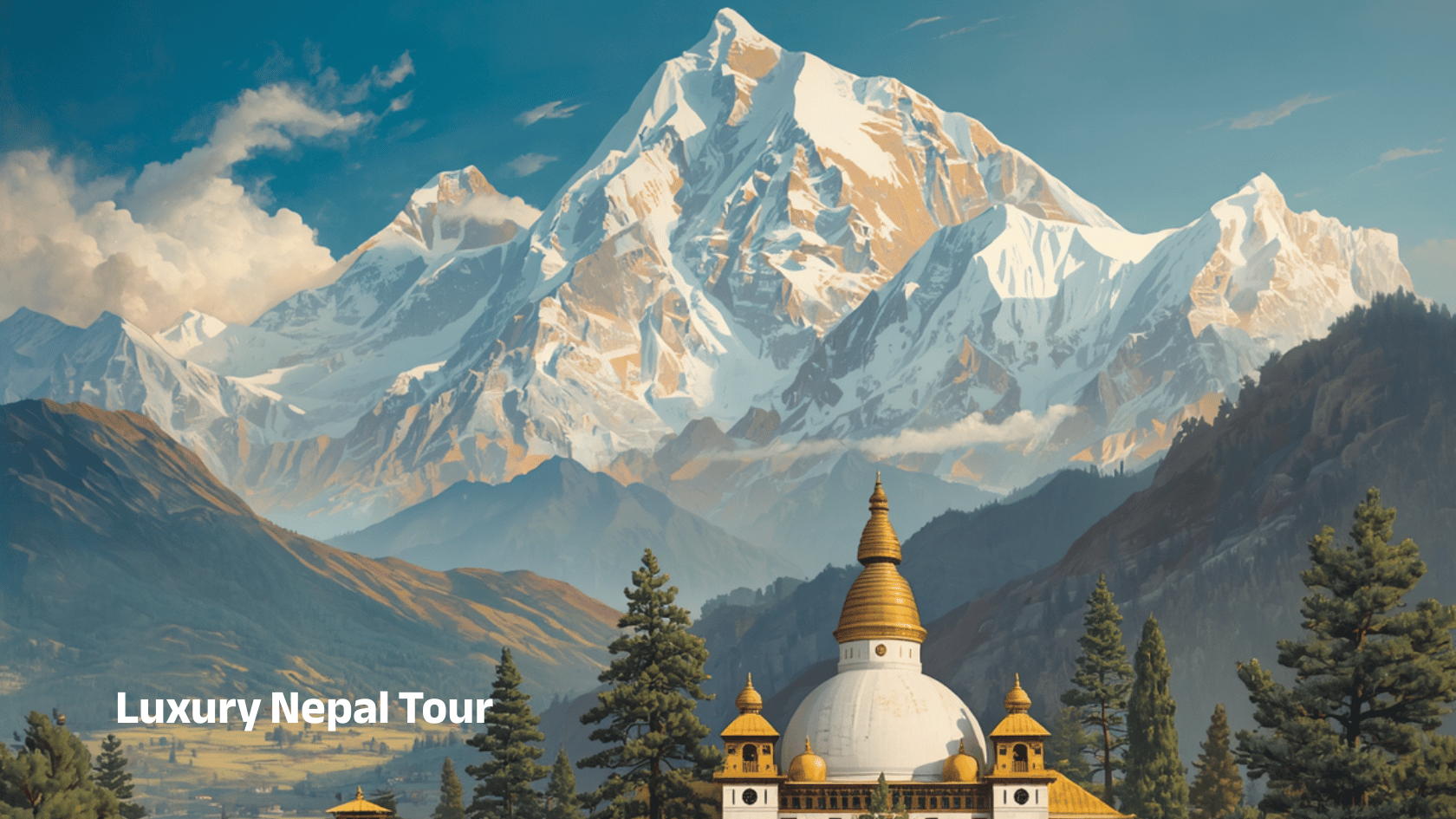
Perched atop a lush hill west of Kathmandu city, Swayambhunath Temple Nepal is one of the country’s most iconic spiritual landmarks. Known worldwide as the Swayambhunath Monkey Temple, this ancient stupa blends Buddhist symbolism, Hindu devotion, panoramic city views, and playful monkeys roaming freely across the complex.
For centuries, pilgrims, monks, and travelers have climbed its stone stairway seeking blessings, peace, and breathtaking Himalayan scenery. Whether you’re interested in its spiritual history, architecture, tourist entrance fee, or travel tips, this complete guide provides everything you need before visiting this UNESCO-listed heritage site.
Where Is Swayambhunath Temple Located?
Swayambhunath is located about 3 kilometers west of central Kathmandu in the Kathmandu Valley.
The temple sits at approximately 77 meters above ground level on a hill, offering panoramic views of:
- Kathmandu city
- Surrounding hills
- Himalayan ranges (on clear days)
It is easily accessible by taxi, ride-sharing services, or local buses.
History of Swayambhunath Temple Nepal
The history of Swayambhunath dates back over 1,500 years, making it one of the oldest religious sites in Nepal.
According to legend:
- The Kathmandu Valley was once a vast lake.
- A self-existent flame (Swayambhu) emerged from a lotus in the lake.
- The bodhisattva Manjushri drained the lake to make the valley habitable.
- A stupa was built on the site of the divine flame.
The word “Swayambhu” means “self-arisen” in Sanskrit.
The temple has undergone renovations during various dynasties, including the Licchavi and Malla periods, reflecting centuries of devotion and preservation.
Why Is It Called the Swayambhunath Monkey Temple?
The nickname “Monkey Temple” comes from the large population of monkeys living around the stupa complex.
These monkeys are considered sacred and are believed to have originated from lice in the hair of Manjushri during meditation, according to local mythology.
Visitors often see monkeys:
- Playing along stairways
- Sitting near shrines
- Climbing temple structures
While fascinating, visitors should be cautious with food and belongings.
Architectural Significance of Swayambhunath
The stupa’s design is deeply symbolic.
Key Features Include:
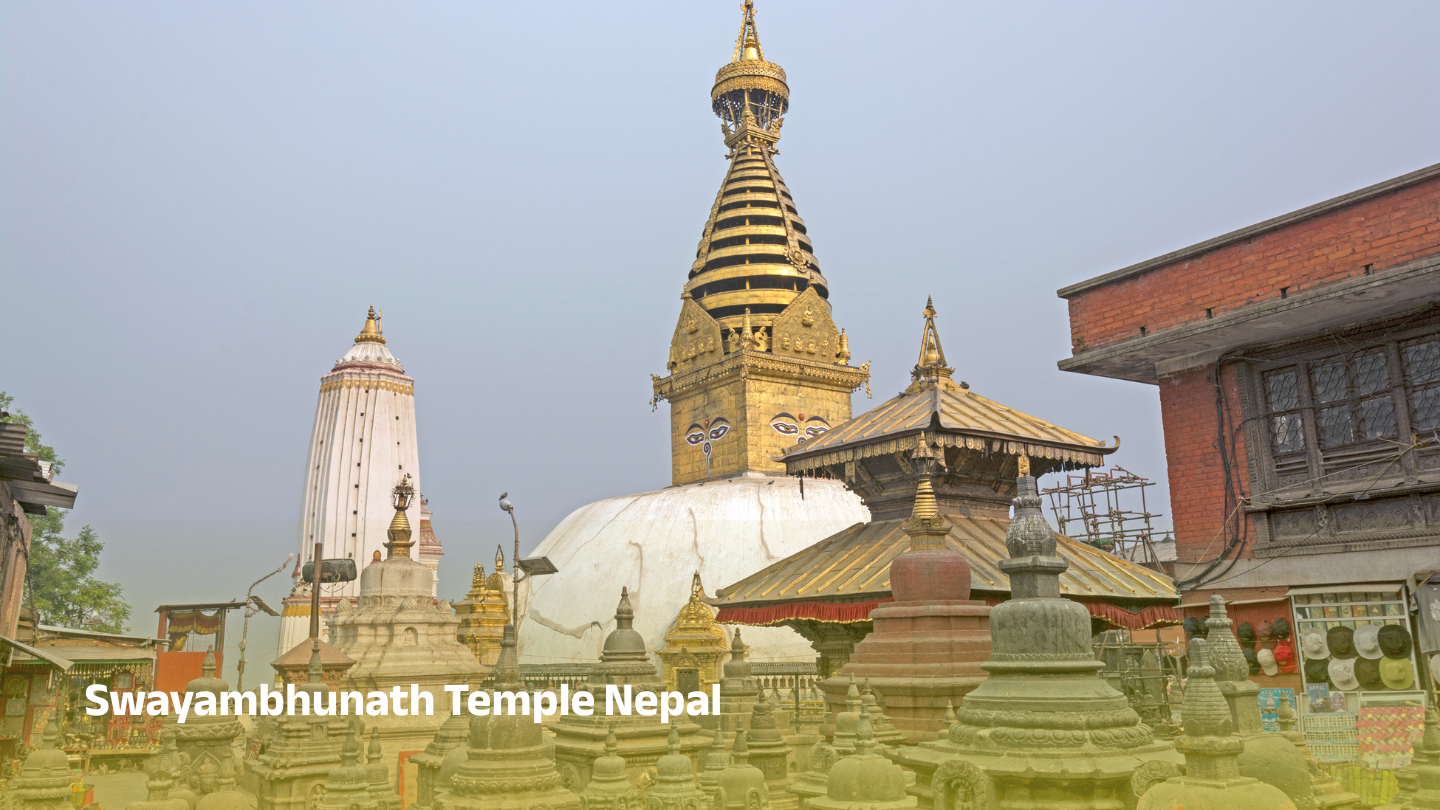
- A white dome symbolizing the universe
- A golden spire with 13 tiers representing the stages of enlightenment
- All-seeing Buddha eyes painted on four sides
- Prayer wheels engraved with “Om Mani Padme Hum”
- Numerous shrines and temples surrounding the main stupa
The architecture reflects a harmonious blend of Buddhist and Hindu traditions.
Tourist Entrance Fee for Swayambhunath Temple
The Swayambhunath tourist entrance fee is generally:
- Foreign nationals: NPR 200–300
- SAARC nationals: Reduced fee
- Nepali citizens: Free
Fees may change, so checking current rates before visiting is advisable.
Tickets are purchased at the entrance gate before climbing the main stairway.
How to Reach Swayambhunath Temple
There are two main access points:
- The eastern stairway with approximately 365 steps (traditional pilgrimage route)
- A western road access for vehicles
Climbing the stairs offers a more spiritual and scenic experience.
Best Time to Visit Swayambhunath Temple Nepal
The temple is open daily, typically from early morning until evening.
Best Visiting Hours:
- Early morning (sunrise view and peaceful atmosphere)
- Late afternoon (sunset over Kathmandu Valley)
Spring and autumn provide the clearest skies.
Religious Importance of Swayambhunath
Swayambhunath holds immense spiritual value for both Buddhists and Hindus.
For Buddhists:
- It is a major pilgrimage site.
- Represents self-enlightenment.
For Hindus:
- The complex includes shrines dedicated to various Hindu deities.
This religious harmony reflects Nepal’s unique cultural identity.
Festivals Celebrated at Swayambhunath
Major festivals include:
- Buddha Jayanti
- Gunla (Newar Buddhist festival)
- Losar (Tibetan New Year)
During these events, the temple complex becomes vibrant with rituals and prayers.
What to Expect During Your Visit
- Prayer flags fluttering in the wind
- Devotees spinning prayer wheels
- Incense-filled air
- Monks chanting
- Panoramic photography spots
The spiritual atmosphere is both calming and energizing.
Tips for Visiting the Swayambhunath Monkey Temple
- Wear comfortable walking shoes
- Keep belongings secure from monkeys
- Dress modestly
- Avoid feeding animals
- Respect prayer rituals
Photography is allowed, but respectful behavior is essential.
Is Swayambhunath Safe for Tourists?
Yes, it is generally safe.
- Watch for monkeys grabbing food
- Avoid isolated areas after dark
- Stay hydrated during stair climb
The site is regularly monitored and well-maintained.
Conclusion
Visiting Swayambhunath Temple Nepal is more than sightseeing it is a spiritual journey through history, architecture, and cultural harmony. From its ancient legends to the playful monkeys and breathtaking valley views, the Swayambhunath Monkey Temple captures the essence of Nepal’s heritage.
Whether you come for prayer, photography, or panoramic views, this sacred hill remains one of Kathmandu’s most unforgettable experiences.
Frequently Asked Questions (FAQs)
Where is Swayambhunath Temple located?
It is located west of Kathmandu city on a hilltop.
Why is Swayambhunath called Monkey Temple?
Due to the large number of sacred monkeys living there.
How old is Swayambhunath Temple?
It dates back over 1,500 years.
Is Swayambhunath a UNESCO site?
Yes, it is part of the Kathmandu Valley UNESCO World Heritage Sites.
How many steps are there to climb?
There are approximately 365 steps on the eastern stairway.
What is the best time to visit?
Early morning or late afternoon.
Is photography allowed?
Yes, but respect religious practices.
Do locals worship there?
Yes, both Buddhists and Hindus visit regularly.
How long should I spend there?
About 1–2 hours.
Are guides available?
Yes, local guides are available near the entrance.
Is it suitable for children?
Yes, but supervise around monkeys.
Can I see the Himalayas from there?
On clear days, distant Himalayan peaks are visible.
What is the entrance fee for Swayambhunath Temple Nepal?
The tourist entrance fee for Swayambhunath Temple is approximately NPR 200–300 for foreign visitors, while Nepali citizens enter free of charge.