Gaurishankar Himal Trek
March 11, 2026 | admin
Complete guide to Gaurishankar Himal Trek including location, itinerary, distance, base camp route, cost, and best time to visit Gaurishankar Conservation Area.
The Gaurishankar Himal Trek is one of the most spectacular yet lesser-known trekking routes in Nepal. Located in the eastern Himalayas, this trek offers breathtaking views of the Gaurishankar mountain range, remote villages, dense forests, and pristine alpine landscapes.
Unlike the crowded trekking routes of Everest and Annapurna, the Gaurishankar Conservation Area Trek provides a peaceful and authentic Himalayan adventure. Trekkers experience untouched nature, traditional Sherpa and Tamang culture, and stunning mountain scenery.
This guide explains everything about the Gaurishankar Himal Trek including trekking routes, distance, base camp exploration, location, cost, and the best time to visit.
Where Is Gaurishankar Himal Located?
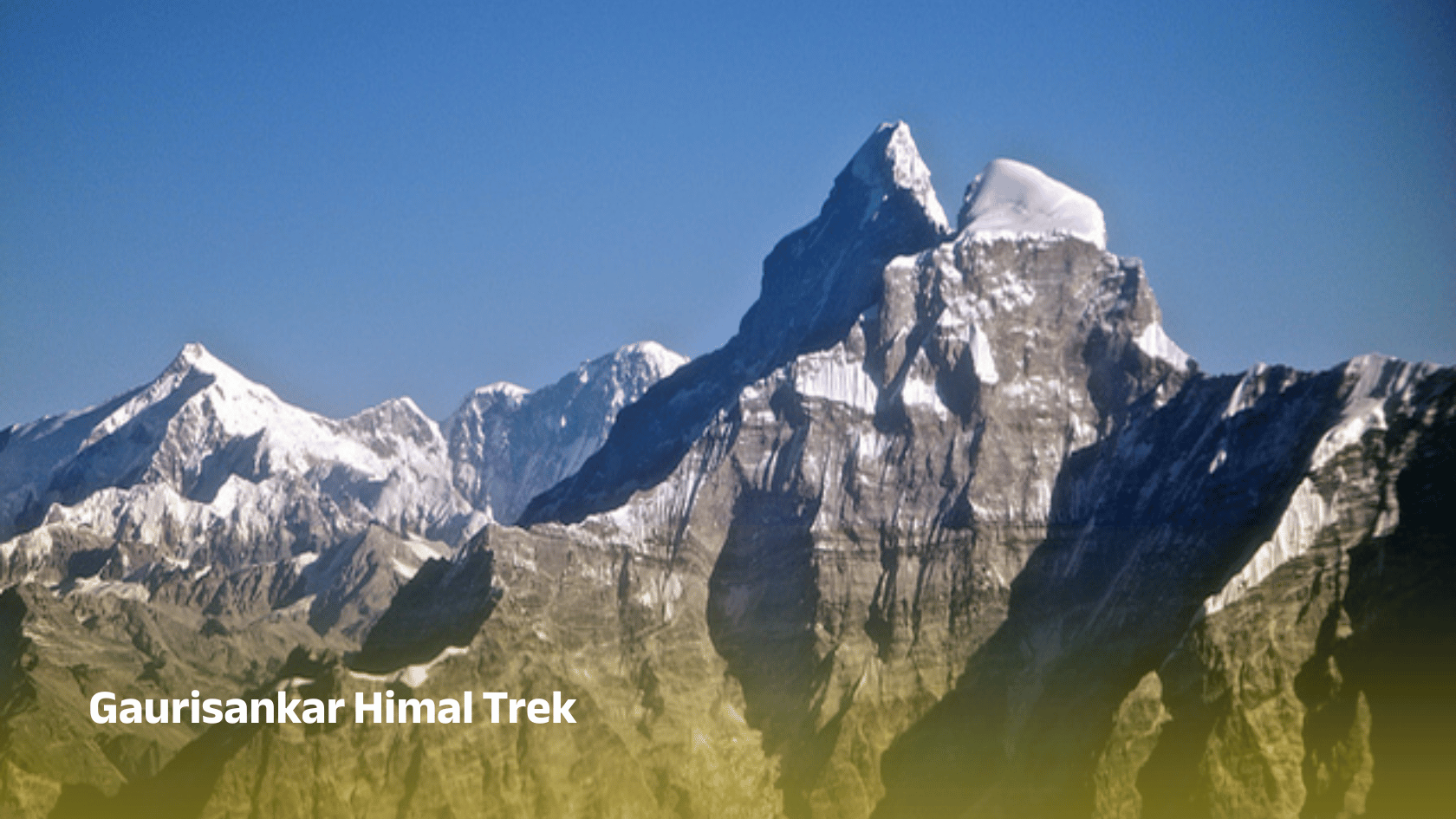
Gaurishankar Himal lies in the eastern part of Nepal near the border of Tibet.
- Region: Gaurishankar Conservation Area
- Districts: Dolakha, Ramechhap, and Sindhupalchok
- Highest peak: Mount Gaurishankar (7,134 meters)
The mountain is considered sacred in both Hindu and Buddhist traditions. According to mythology, Gaurishankar represents Lord Shiva and Goddess Parvati.
What Is the Gaurishankar Conservation Area Trek?
The Gaurishankar Conservation Area Trek is a trekking route that passes through protected natural landscapes and traditional Himalayan villages.
The conservation area was established in 2010 to protect the region’s biodiversity and cultural heritage.
The trekking route includes:
- Forests of rhododendron and pine
- High alpine meadows
- Glacier valleys
- Remote mountain settlements
Trekkers may also visit the Gaurishankar Himal Base Camp during the journey.
Why the Gaurishankar Trek Is Special
The Gaurishankar Trek is one of Nepal’s hidden trekking gems.
- Stunning views of Mount Gaurishankar
- Pristine conservation landscapes
- Traditional Sherpa and Tamang culture
- Remote villages and monasteries
- Rich biodiversity and wildlife
Because the region receives fewer tourists, the trekking experience feels more authentic and peaceful.
Gaurishankar Himal Trek Map and Route
The trekking route begins from eastern Nepal and gradually ascends into the conservation area.
Typical route:
Kathmandu - Charikot - Gongar Khola - Simigaun - Beding - Na Village - Gaurishankar Base Camp
Important stops include:
- Charikot – gateway to the region
- Simigaun – beautiful Sherpa village
- Beding – traditional Himalayan settlement
- Na Village – last permanent settlement
- Gaurishankar Base Camp – trekking highlight
The route offers breathtaking views of glaciers and surrounding mountain peaks.
Gaurishankar Trek Distance
The total trekking distance depends on the itinerary but generally ranges between:
100 to 130 kilometers round trip
Trekkers usually walk around:
10 to 15 kilometers per day
Daily trekking hours typically range from 5 to 7 hours.
Gaurishankar Himal Trek Itinerary (12 Days)
A typical trekking itinerary includes:
- Day 1: Kathmandu to Charikot
- Day 2: Charikot to Gongar Khola
- Day 3: Trek to Simigaun
- Day 4: Simigaun to Dongang
- Day 5: Dongang to Beding
- Day 6: Acclimatization day in Beding
- Day 7: Trek to Na Village
- Day 8: Trek to Gaurishankar Base Camp
- Day 9: Return to Na Village
- Day 10: Trek back to Simigaun
- Day 11: Return to Gongar Khola
- Day 12: Drive back to Kathmandu
This itinerary allows proper acclimatization for high-altitude trekking.
Gaurishankar Himal Base Camp
One of the highlights of the trek is reaching Gaurishankar Base Camp, located near glaciers beneath the towering Gaurishankar peak.
At the base camp trekkers enjoy:
- Spectacular views of Mount Gaurishankar
- Glacier landscapes
- Peaceful alpine surroundings
The base camp area is rarely visited, making it a special destination for adventurous trekkers.
Gaurishankar Trek Cost (2026)
The cost of the trek varies depending on services and group size.
- Budget trekking package: 900 to 1,200 USD
- Standard trekking package: 1,200 to 1,700 USD
- Luxury trekking experience: 2,000 USD or more
Costs generally include:
- Transportation
- Guide and porter services
- Accommodation and meals
- Trekking permits
Permits Required for Gaurishankar Trek
Trekkers must obtain the Gaurishankar Conservation Area Permit (GCAP).
This permit helps support conservation efforts and local communities.
Permits can be obtained through trekking agencies or tourism offices.
Best Time for Gaurishankar Himal Trek
The best seasons for trekking include:
Spring (March to May)
Rhododendron forests bloom and the weather remains pleasant.
Autumn (September to November)
Clear skies and excellent mountain views.
Winter trekking is possible but temperatures are colder at higher elevations.
Wildlife in Gaurishankar Conservation Area
The conservation area protects diverse wildlife species.
- Red panda
- Himalayan black bear
- Snow leopard (rare)
- Himalayan tahr
The region is also home to hundreds of bird species.
Culture and Villages Along the Trek
The trekking route passes through villages inhabited by Sherpa, Tamang, and other Himalayan communities.
Visitors experience:
- Traditional mountain lifestyles
- Buddhist monasteries and prayer flags
- Local farming practices
- Yak herding traditions
These cultural experiences make the trek even more meaningful.
Difficulty Level of Gaurishankar Trek
The trek is considered moderately challenging.
Main challenges include:
- High altitude above 4,500 meters
- Long trekking days
- Remote mountain terrain
Trekkers should have good physical fitness and some trekking experience.
Preparation Tips for Gaurishankar Himal Trek
- Train physically before the trek
- Carry proper trekking gear
- Wear warm clothing
- Bring altitude sickness medication
- Travel with experienced guides
Good preparation ensures a safe and enjoyable trekking experience.
Why Choose Gaurishankar Trek
- Less crowded trekking route
- Beautiful glacier landscapes
- Authentic Himalayan culture
- Spectacular mountain views
- Protected conservation area
It is an excellent destination for trekkers seeking unexplored Himalayan trails.
Conclusion
The Gaurishankar Himal Trek offers one of the most extraordinary trekking experiences in Nepal. With untouched landscapes, sacred mountain views, and rich cultural heritage, the Gaurishankar Conservation Area Trek provides an authentic Himalayan adventure far from crowded trekking routes.
For trekkers seeking pristine nature, remote villages, and spectacular mountain scenery, the Gaurishankar Trek is truly one of Nepal’s hidden trekking treasures.
Frequently Asked Questions
Where is Gaurishankar Himal located?
Gaurishankar Himal lies in eastern Nepal near the Tibetan border.
How high is Mount Gaurishankar?
The peak stands at about 7,134 meters above sea level.
What is the Gaurishankar Conservation Area Trek?
It is a trekking route through the Gaurishankar Conservation Area offering stunning mountain views.
How long does the Gaurishankar trek take?
Most itineraries take around 10 to 14 days.
What is the distance of the trek?
The trekking distance is about 100 to 130 kilometers.
What is the cost of the Gaurishankar trek?
The cost usually ranges between 900 and 1,700 USD.
What permits are required?
Trekkers need the Gaurishankar Conservation Area Permit (GCAP).
What is the best season for the trek?
Spring and autumn are the best seasons.
Is the trek crowded?
No, it remains one of the less visited trekking routes in Nepal.
Can beginners do the trek?
It is better suited for trekkers with some trekking experience.
What wildlife can be seen in the region?
Red pandas, Himalayan tahr, and various bird species.
What villages are on the trekking route?
Simigaun, Beding, and Na Village are major settlements.
Is Gaurishankar considered sacred?
Yes, the mountain is sacred in both Hindu and Buddhist traditions.
How high is Gaurishankar Base Camp?
The base camp lies around 4,500 meters above sea level.
Why is the Gaurishankar trek unique?
It offers remote Himalayan landscapes and authentic cultural experiences.